Alletind Font: Authentic Branding for Small Business
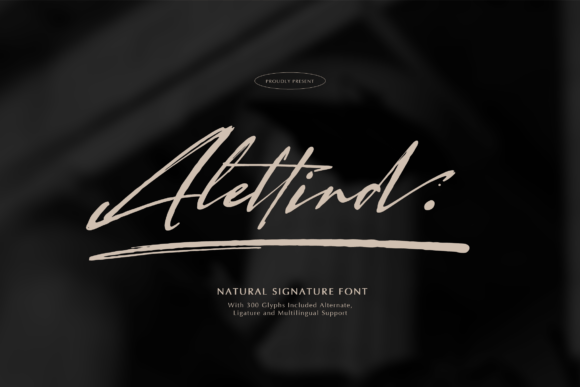
As a small business owner, I know that every visual touchpoint matters. From the logo on my website header to the thank-you card tucked inside a shipping box, typography is the silent ambassador of my brand. Finding a typeface that balances professionalism with genuine warmth is often the hardest part of building a brand identity. This is where the Alletind Natural Signature Font by Gracetypestudio becomes an invaluable asset. Unlike rigid, corporate typefaces that can feel distant, Alletind offers a soft, organic character that mimics real handwriting. For entrepreneurs in creative fields, handmade goods, or personal services, this font bridges the gap between polished design and human connection.
Cultivating Trust Through Organic Typography
In the current market, customers are increasingly drawn to brands that feel authentic and approachable. Alletind is designed specifically to meet this need. As a handwritten script font, it carries the imperfections and flow of natural penmanship, which subconsciously signals honesty and care. When I use Alletind for my business materials, it transforms standard text into something that feels like a personal note rather than a mass-produced label.
This organic quality is particularly effective for businesses where trust and personal relationships are paramount. If you run a coaching practice, a boutique bakery, or a handmade skincare line, your typography should reflect the tactile nature of your work. Alletind provides that signature-like touch without looking messy or unprofessional. It sits comfortably within the Script Amp category, offering enough structure to remain legible while retaining the expressive flair necessary for emotional branding. It tells your customer that there is a real person behind the business who cares about the details.
Practical Applications Across Business Touchpoints
Versatility is key when investing in premium fonts. You need a typeface that works as hard as you do across various mediums. Alletind excels because it adapts to different scales and contexts while maintaining its core personality. Here is how this display font can be practically applied to elevate everyday business assets:
- Product Packaging and Labels: For candle makers, coffee roasters, or beauty brands, Alletind creates stunning primary labels. Its flowing lines contrast beautifully against minimalist packaging, drawing the eye to the product name or scent variety.
- Social Media Graphics: On platforms like Instagram and Pinterest, stopping the scroll is essential. Using Alletind for quote overlays, announcement banners, or story highlights adds a layer of sophistication that standard system fonts cannot achieve.
- Customer Correspondence: Printing thank-you cards, return policies, or care instructions in Alletind makes routine communication feel special. It reinforces the unboxing experience and encourages customer loyalty.
- Signage and Menus: For cafés and retail boutiques, this font works wonderfully for chalkboard menus or directional signage. It maintains readability at a distance while setting a welcoming atmosphere.
- Digital Headers: Use Alletind for website hero sections or email newsletter titles to create an immediate sense of intimacy before the visitor even reads the body copy.
Strategic Font Pairing for Professional Balance
While Alletind is beautiful, it is a creative font that commands attention. To maintain a professional and readable brand identity, it must be paired correctly. A common mistake small business owners make is using a decorative script for everything, which leads to visual fatigue and poor legibility. Alletind shines brightest when it acts as the accent or headline typeface, supported by a simpler partner.
For a modern, clean aesthetic, pair Alletind with a geometric sans serif font. The structured neutrality of a sans serif balances the fluidity of the script, making your designs look contemporary and organized. This combination is ideal for tech-adjacent creatives, photographers, or modern e-commerce stores. Alternatively, pairing Alletind with a classic serif font evokes tradition, heritage, and luxury. This combination works exceptionally well for wedding vendors, antique shops, or high-end artisanal food brands. By establishing a clear hierarchy—Alletind for impact and a secondary font for information—you ensure your marketing materials are both beautiful and functional.
Navigating Readability in Real-World Settings
Aesthetics should never compromise function. Before committing Alletind to your entire brand suite, test it in the actual environments where your customers will see it. Handwritten fonts can sometimes struggle with legibility at very small sizes or on low-resolution screens.
When designing product labels, print a test version at actual size. Ensure that intricate letterforms do not blur when printed on textured paper or matte stickers. For digital use, check how the font renders on mobile devices. Social media thumbnails are particularly unforgiving; if your Alletind headline is unreadable on a phone screen, it defeats the purpose. In these smaller applications, consider using Alletind only for single words or short phrases, relying on your supporting typeface for longer descriptions. This practical approach ensures your brand remains accessible and user-friendly across all platforms.
Licensing and Commercial Considerations
One aspect of typography that many new entrepreneurs overlook is licensing. Using a font commercially requires more than just downloading a file. Alletind is a commercial font, and understanding its license is crucial for protecting your business. Before using this typeface on products for sale, client deliverables, merchandise, or digital templates, verify the specific terms provided by Gracetypestudio.
Different licenses cover different uses. A standard desktop license might cover your business cards and social media posts, but selling t-shirts with the font or embedding it in a website template might require an extended license. Respecting these terms is not just about legal compliance; it supports the type designers who create the tools we rely on. Always keep your license documentation organized. If you hire a freelance designer or virtual assistant to create assets for your business, ensure they also have the appropriate licensing or that your license covers their work on your behalf. This diligence prevents future legal headaches and establishes your business as ethical and professional.
Building a Cohesive Visual Identity
Ultimately, Alletind is more than just a collection of glyphs; it is a tool for storytelling. Consistency builds recognition, and recognition builds trust. By integrating this natural signature font strategically across your logo design, web design, and physical products, you create a unified brand experience. Customers begin to associate that specific organic flow with your quality and values.
Start small if you are rebranding. Test Alletind on a single product line or a seasonal social media campaign to gauge audience response. Gather feedback from peers and customers. Does it feel right? Is it readable? Does it align with your price point and target demographic? Typography is subjective, but its impact on business perception is measurable. When used with intention and care, Alletind helps small businesses stand out in a crowded marketplace, proving that you do not need a massive budget to achieve a distinctive, trustworthy, and memorable brand presence.