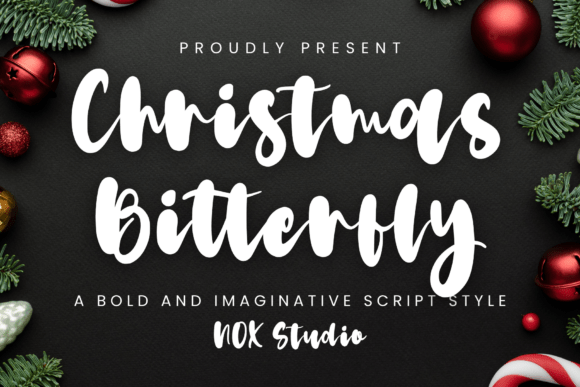
Christmas Bitterfly Font: A Designer’s Branding Test
There is a specific moment in every branding project when the mood board is set, the color palette is approved, and you are staring at a blank artboard waiting for the typography to click. Recently, I found myself in exactly this position while developing a visual identity for a seasonal pop-up boutique and café concept. The client wanted something that felt inherently festive but avoided the cliché trap of generic holiday clip art. They needed warmth, romance, and a touch of handmade authenticity. That was when I decided to test Christmas Bitterfly, a bold handwritten font that promised to bring both joy and elegance to the design system.
As a graphic designer, I am often skeptical of themed typefaces. Many script fonts sacrifice legibility for decoration, or they feel too rigid for modern applications. However, integrating Christmas Bitterfly into a real-world commercial project revealed its surprising versatility. It isn't just a novelty font for a December greeting card; it is a robust display typeface capable of anchoring a full brand identity when used with intention. Here is how this creative font performed across logo design, packaging, and digital assets during an actual client workflow.
First Impressions and Logo Exploration
The initial test for any premium font is the logo lockup. For this boutique café project, the name was relatively short, which provided the perfect canvas for Christmas Bitterfly’s bold strokes. Upon typing out the brand name, the first thing I noticed was the confident weight. Unlike delicate scripts that disappear at smaller sizes, this handwritten font has enough substance to hold its own as a primary logotype. The letterforms possess a natural bounce and rhythm that mimics genuine hand-lettering rather than digital simulation.
I spent time exploring the OpenType features included in the file. Accessing the alternate characters and ligatures was essential for customizing the logo. Swapping a standard 't' for an extended swash version created a beautiful underline effect without needing to draw custom vector shapes manually. This level of built-in customization saves hours of illustration time. The font radiates a heartfelt elegance that immediately communicated the client's desired atmosphere. It felt romantic and whimsical, yet the bold structure kept it grounded and professional enough for a business sign.
Establishing Hierarchy in Packaging Design
Moving from the logo to physical touchpoints, readability became the priority. We were designing coffee bags, pastry boxes, and gift tags. A common mistake with script fonts is overusing them, leading to visual fatigue. In this project, I treated Christmas Bitterfly strictly as a headline and accent font. It worked exceptionally well for product names like "Spiced Vanilla Latte" or "Winter Berry Tart" on packaging labels. The boldness ensured these key selling points popped against matte paper textures and dark backgrounds.
For the supporting text, such as ingredients lists and pricing, I paired Christmas Bitterfly with a clean, geometric sans serif font. This contrast is crucial in modern typography. The interplay between the organic, flowing lines of the script and the structured neutrality of the sans serif created a balanced visual hierarchy. The script drew the eye to the emotional hook, while the sans serif delivered the functional information. On the shelf mockups, this pairing ensured the products looked artisanal and high-end rather than cluttered or amateurish.
Digital Applications and Social Media Graphics
Translating a festive brand identity to screens requires careful consideration of scale. I tested Christmas Bitterfly across Instagram stories, feed posts, and website hero sections. On mobile devices, where screen real estate is limited, the font’s bold weight proved advantageous. Thin scripts often break apart or become illegible on small screens, but Christmas Bitterfly maintained its integrity even when scaled down for captions and overlay text.
For social media templates, the font acted as a consistent brand anchor. We created a series of quote graphics and promotional announcements where the script font highlighted keywords. Because the typeface has so much personality, we could keep the background designs minimal. The font itself provided the texture and interest. In web design, I used it sparingly for section headers and call-to-action buttons. It added a layer of warmth to the user experience that standard web-safe fonts simply cannot achieve. However, I always recommend converting display text to outlines or using web font hosting services that support advanced ligatures to ensure the rendering remains consistent across different browsers.
Practical Considerations for Commercial Use
When specifying fonts for clients, technical details matter as much as aesthetics. Before finalizing Christmas Bitterfly for this project, I verified the licensing terms to ensure full commercial coverage for retail packaging and digital advertising. It is vital to confirm that your license extends to all intended mediums, especially for product-based businesses selling merchandise.
I also assessed the multilingual support and character set. While the primary branding was in English, the café served a diverse community, and we needed assurance that special characters and accents were available and stylistically matched. Fortunately, the font includes comprehensive glyphs that maintain the handwritten flow even with accented characters. This attention to detail prevents awkward styling breaks in multilingual marketing materials.
- Best Used For: Logos, product packaging, event invitations, social media headlines, and short-form display text.
- Avoid Using For: Long paragraphs, body copy, legal disclaimers, or navigation menus where rapid scanning is required.
- Ideal Pairings: Minimalist sans serifs for modern contrast, or classic serif fonts for a more traditional, editorial look.
- Technical Check: Always enable stylistic alternates and ligatures in your design software to unlock the font's full potential.
Refining the Brand Voice Through Typography
Typography is never just about letters; it is about voice. Throughout this project, Christmas Bitterfly helped define the brand’s tone. It softened the commercial aspect of the boutique, making transactions feel like personal exchanges. When customers see a menu or a sign written in a typeface that looks lovingly crafted, they subconsciously attribute that care to the products themselves. This psychological connection is the true value of investing in a quality script font.
However, restraint remains the designer's best tool. During the revision phase, I pulled back on using the font in secondary locations where it competed with photography. We let the images breathe and reserved the script for moments of emphasis. This selective application made the instances where Christmas Bitterfly did appear feel more special and intentional. It transformed from a mere decorative element into a strategic branding asset.
Integrating Whimsy Into Professional Systems
Testing Christmas Bitterfly on a live project confirmed its place in my toolkit for lifestyle, hospitality, and retail branding. It bridges the gap between playful and polished, offering a solution for designers who need festive charm without sacrificing commercial viability. Whether you are crafting a visual identity for a handmade shop, designing editorial layouts for a holiday magazine, or creating digital templates for content creators, this typeface offers a distinct advantage.
The key takeaway from this design journey is that bold handwritten fonts can carry significant weight in a brand system if respected. They require thoughtful pairing, proper spacing, and strategic placement. When those conditions are met, Christmas Bitterfly delivers exactly what it promises: a blend of joy, romance, and professional elegance that resonates deeply with audiences. For designers looking to elevate their seasonal work beyond the expected, this font provides a reliable and beautiful foundation for storytelling through type.